Autumn II
“The mountains and hills will burst into song before you, and all the trees of the field will clap their hands.” Isaiah 55:12

LIKE SPRING, AUTUMN COMES in gradually, and those things that we most associate with it—cooling temperatures and blue skies over browning fields—do as well. With the heat of high summer past, we bring out our long-sleeved shirts and sweaters and kindle fires. If spring is the sunrise of the year, autumn is sunset, the gathering dusk before winter’s night. And just as the sun descends in a blaze of burning glory, autumn is determined to do the same, coloring the hills in burnished gold and leaving us gaping in wonder.
The mountains here in southwest Virginia are home to over a hundred species of trees. Technically defined as a temperate broadleaf and mixed forest, the abundance of deciduous trees also means that come mid-autumn these hills burst into color in the reverse of how they originally budded. While spring works its way up the mountains, autumn works its way down with the trees at the highest elevations coloring first. Yellow beeches, crimson dogwoods, gold- bronze hickories, rusty oaks, and the simple majesty of scarlet maples.
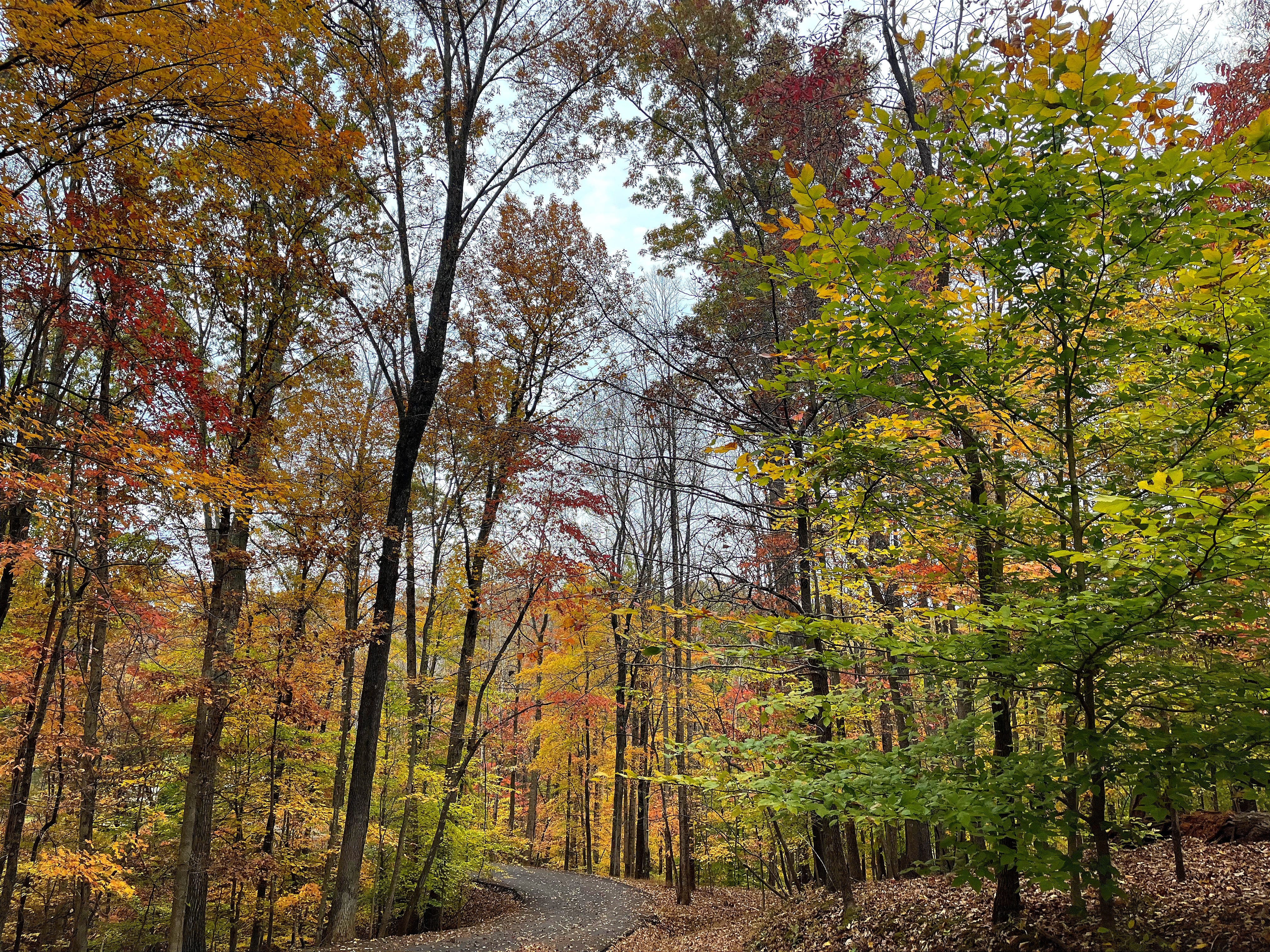
Accented by the deep green of Virginia pines, hemlocks, and cedars, it’s no wonder that people drive from hours away to see our hills robed in joy.
So significant is this annual show that scientists have developed finely calibrated algorithms to predict when color will peak each year. And those regions that rely on tourist dollars find themselves also relying on a host of data points and meteorological factors to know when to expect visitors. Local media will announce the weekends like a coming snow storm; instead of inches and icy conditions, they’ll predict peak days and exactly how brilliant we can expect the show to be. But like so many things in this world, you never know until it actually happens, and you never know whether you’ve peaked until after you do.
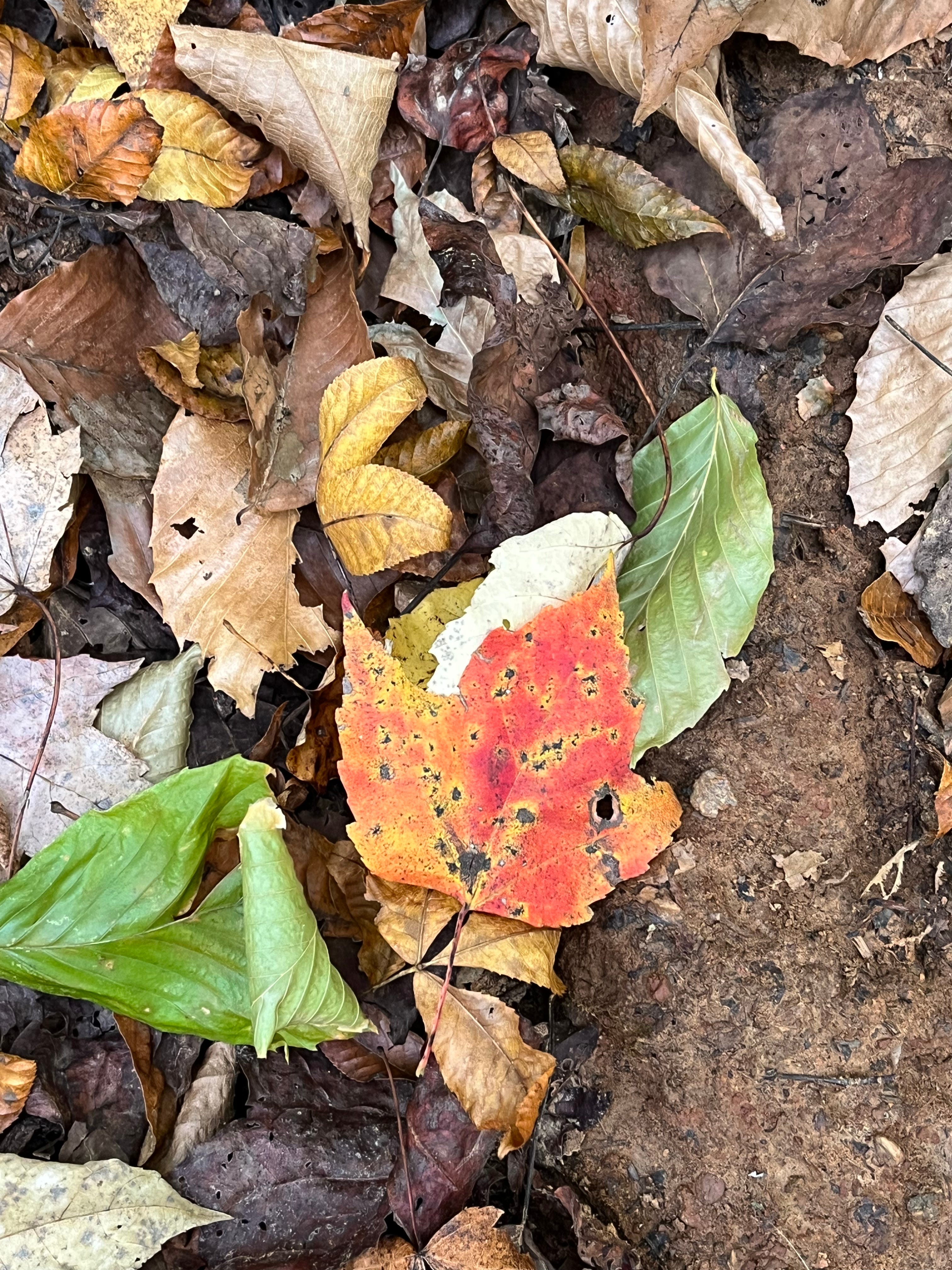
Still, it’s not altogether a mystery. As autumn comes and the earth tilts away from the sun, the days shorten and temperatures drop, sending green plants and tree leaves into senescence, the gradual deterioration process that accompanies aging. Less daylight means the production of chlorophyll slows, which in turn initiates chemical reactions and allows the pigments underneath the green—yellow, orange, brown, and red—to dominate. Eventually photosynthesis halts altogether. The death of the leaf is certain now as cellular respiration ends, but just as certain is the fiery show before it falls to the earth to die.
That’s the facts of it anyway. But anyone who’s seen an autumn hillside knows
that facts are just the beginning. After all, if the heavens declare the glory of God, if October blue skies and billowy white clouds tell forth His praise, what does it mean that the trees of the wood burst into song just before winter silences them? What does it mean that anthocyanins turn the maples red and carotenoids turn the sassafras yellow and together they paint the oaks and sycamores brown? What does it mean that the leaves summon their last breath for one last burst of charismatic praise and Pentecostal abandon?
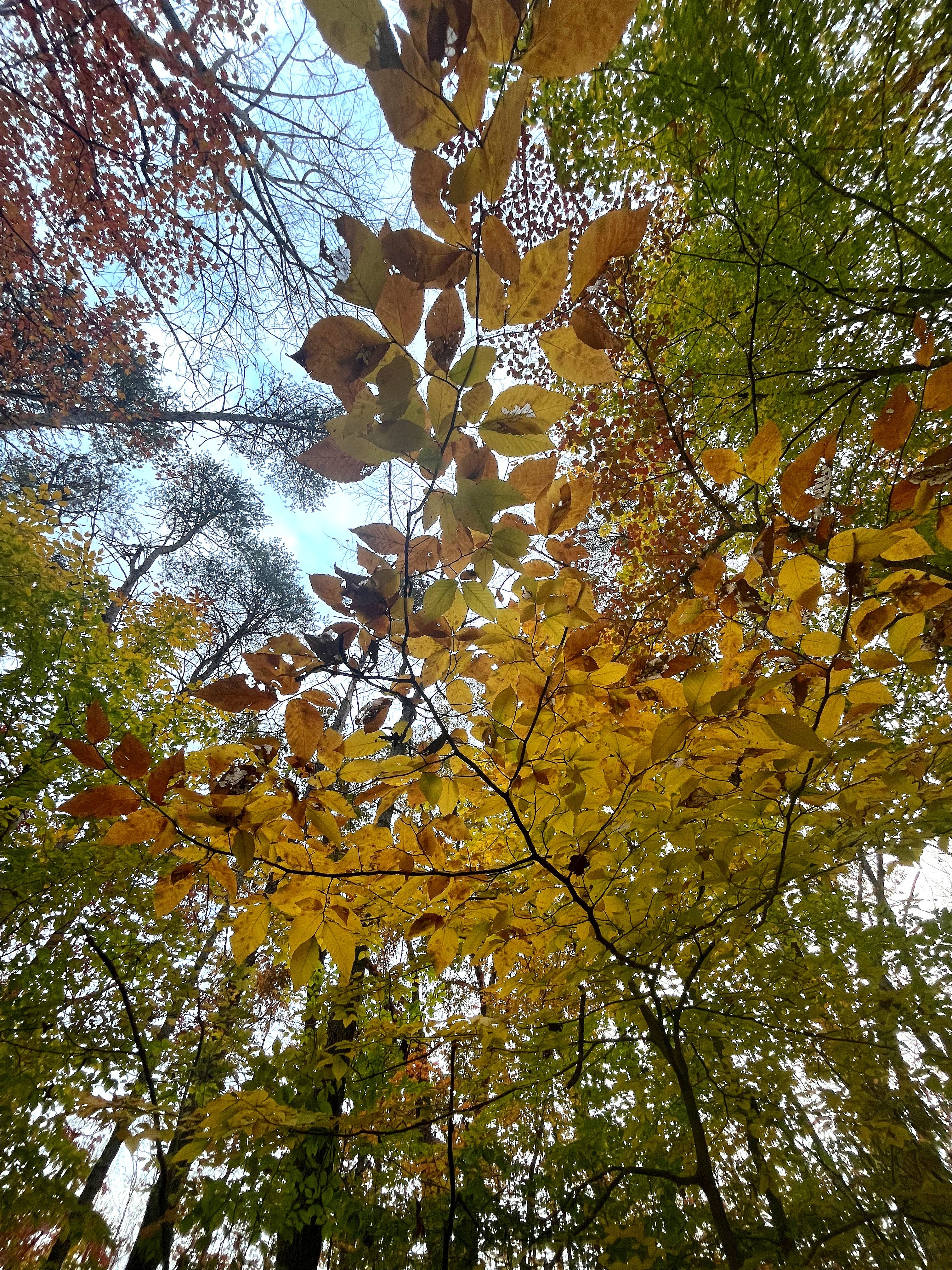
The poets and prophets speak of trees that celebrate, trees that dance
and sing and clap their hands before the Lord. They speak of trees that raise their voice and raise their limbs to the One who’s coming to set all things right. This is a strange thing and one I wouldn’t believe except for the facts: Leaves are loudest just before they die. “Hear, hear!” they shout. “Pay attention to what I need to say!” And according to the psalmist, this is what they have to say:
Let all the trees of the forest sing for joy.
Let all creation rejoice before the Lord, for he comes, he comes to judge the earth.
He will judge the world in righteousness
and the peoples in his faithfulness (Ps 96:12-13).
In Romans 8, the apostle Paul writes that creation understands that the world is not as it should be, that it has been subjected to decay, that it “groans” with us, waiting for righteousness and redemption to reign. He writes that just like us, creation waits in hope. And a creation that can groan in hope is a creation that can praise. Trees that long for righteousness are trees that can spend their dying breath praising the One who will one day deliver them.
And then I wonder, Is it really so strange after all? Is it so strange that the God who does not live in shrines made by human hands would be worshiped by the woods
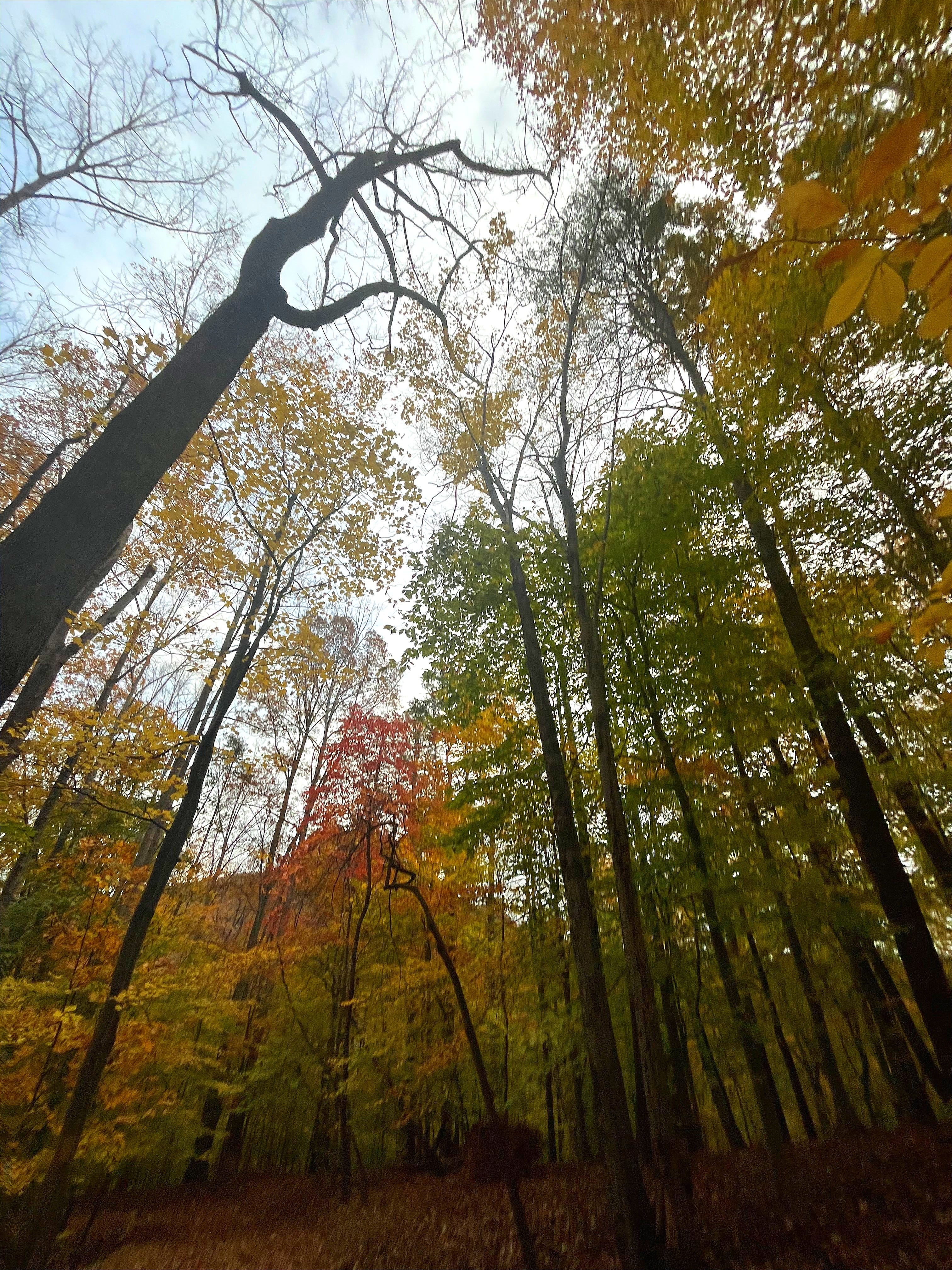
and trees and mountains that He has made? Is it so strange that the God who gives everyone and everything breath would be worshiped with that same breath, even a dying one? Is it so strange that the last words of the leaves are “Hosanna! Blessed is He who comes in the name of the Lord”?
Is it so strange that this would be on our dying lips as well?
—excerpted from Turning of Days: Lessons from Nature Season and Spirit (Moody Publishers, 2021)